Ford Restricts Transparency in Ontario
The Ontario government's autocratic moves now have less opportunities for scrutiny

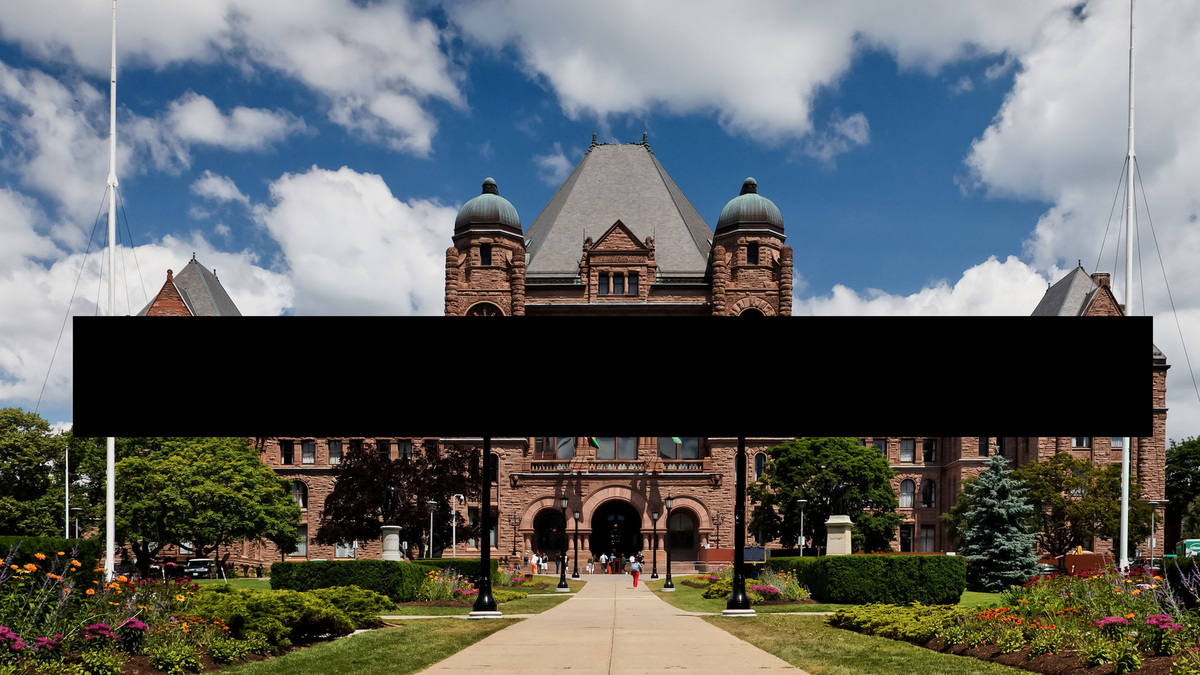
After bypassing any public input on the budget omnibus bill, which includes changes to the Freedom of Information (FOI) system that would exempt the premier, cabinet ministers and political staffers from requests, the package has now become law, merely awaiting royal assent before it's become official. Has there been a more obvious attempt to hamper the public's right to know about a government's corruption?
With a vote of 57 for and 33 against, Bill 97 will also end all current FOI requests in progress, shielding Ford's personal cellphone from any that were filed. Ford has been using his personal phone for business and, as such, any provincial business conducted on his phone was ruled earlier in the year to be subject to FOI requests. Opposition parties, the privacy commissioner and organizations like the Canadian Civil Liberties Association and the Canadian Taxpayers Federation condemned the move. It didn't matter. Ford and his Progressive Conservative party rammed through the changes. Now transparency in Ontario has been severely kneecapped. At a time when Ford is taking control of schoolboards and labelling personal projects as Special Economic Zones to exempt them from scrutiny, this move continues his project to marry capital and government under his rule.
The FOI system, primarily used by journalists and advocacy organizations, allows members of the public to view documents regarding the operation of their government. The theory goes that, since governments are nominally supposed to serve their people, documents regarding that operation should be available to the public. At this point, it's still possible to file requests against public institutions as well as municipal organizations. There are exceptions built in that protect personal privacy of citizens from its inception, but Ford has made it clear that his use of a personal cellphone to conduct business was the impetus for this move. It's clear that Ford is hiding something that reporters are trying to uncover.
The bill itself was the result of a late night debate. Ontario Green Party Leader Mike Schreiner said that decision was made to push the bill through "while nobody was watching." Ford's defense of his attack on accountability has ranged from everything to self-victimizing about "double-standards" to claiming the changes will protect from "the communist Chinese". Using a personal device without government protections is apparently fine though.
It really doesn't matter if Ford's justifications hold up. He may have lost the argument, but he's now protected from any official public requests into dealings he may have had with other governments, corporations or powerful individuals.
 Scott Martin
There's very little room for hyperbole here: this is a crisis. While we can note that there are still public officials and institutions that are subject to these rules, Charlie Pinkerton wrote in The Trillium "The legislation represents the most restrictive changes to FIPPA since its creation almost 40 years ago."
This new law has implications directly tied to past scandals the Ford government has created. According to Global News, Ford's explicit attack on transparency will also end a ruling for Ford "to release his call logs from November 2022, the month his government announced its plan to remove land from the Greenbelt."
Ford and the PC government have ramped up their attacks on democracy in kind with this new bill. The provincial government is also in the middle of reviewing a bill that would give the province power to subvert democracy in municipalities. Eric Wickham, writing in PressProgress, described the anti-democratic results if Bill 100 passes, "Regional chairs appointed by the province will be able to pass policies with support from only a third of the regional council." This bill is an obvious extension of Ford's prior bills creating "Strong Mayor Powers."
One of the core benefits from news media is its ability to uncover corruption and scandal ongoing within governments. While journalists will continue to do reporting to the best of their ability, this move by Ford and the PC party is a major step further down autocratic rule. Anyone outraged by the premier's purchase of a private jet for his use should be even more outraged by his direct and ongoing attacks against democratic processes. His tactics to obscure scrutiny of those decisions naturally fits into these ambitions.

.jpg)